Reliable Rx Pharmacy
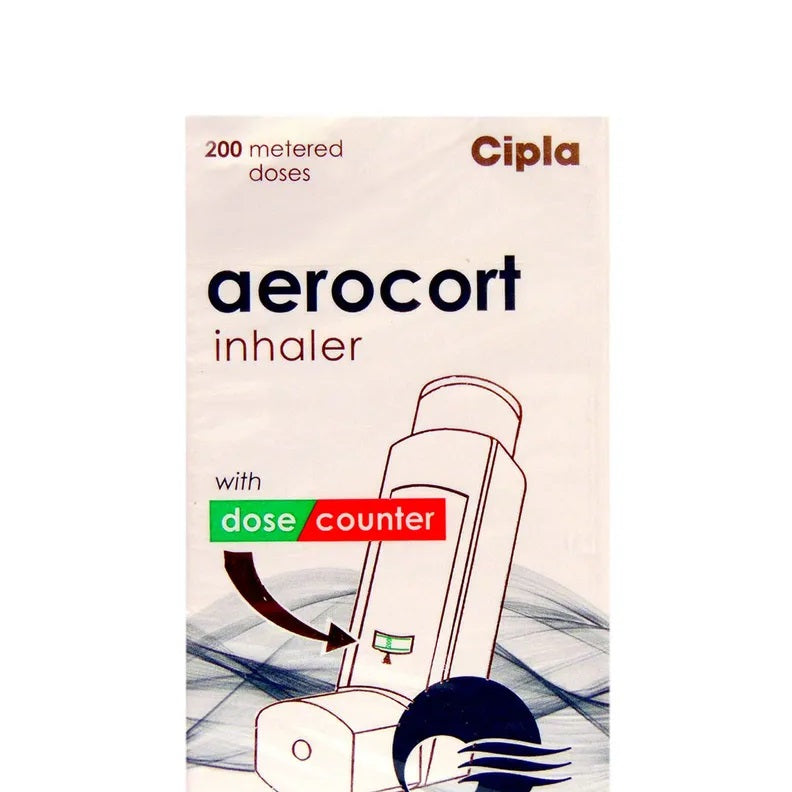
Aerocort Inhaler 50mcg 50mcg (200 mdi)
Aerocort Inhaler 50mcg 50mcg (200 mdi)
Couldn't load pickup availability
Aerocort Inhaler 50mcg/50mcg (200 MDI) is a highly reliable, dual-action combination respiratory treatment engineered for the regular management and prevention of chronic asthma and Chronic Obstructive Pulmonary Disease (COPD) symptoms. Manufactured by Cipla Ltd, this metered-dose inhaler (MDI) combines a fast-acting bronchodilator with a powerful anti-inflammatory corticosteroid to deliver exactly 200 precisely measured sprays. By relaxing constriction around the bronchial tubes and actively calming underlying tissue inflammation inside the lungs, Aerocort works systematically to alleviate shortness of breath, wheezing, coughing, and chest tightness, helping users maintain consistent daily lung health.
Product Overview & Key Features
The Aerocort Inhaler 50mcg/50mcg is structurally optimized for synchronized, long-term respiratory control. Unlike standalone rescue treatments, this device addresses both structural components of obstructive airway diseases—the acute muscle spasming and the chronic tissue swelling—in a single, convenient puff.
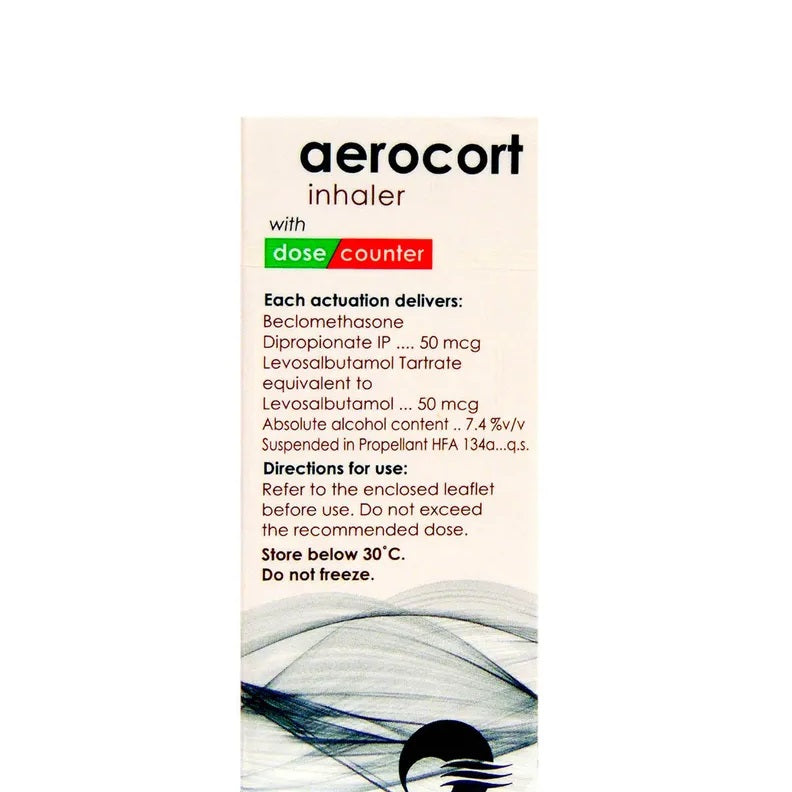
- Synergistic Dual Formulation: Features a fixed-dose combination of Beclomethasone Dipropionate (50mcg) and Levosalbutamol / Levalbuterol (50mcg) per actuation.
- Targeted Delivery System: The metered-dose inhaler mechanism delivers a microscopic cloud of medicine straight into the lungs, maximizing localized efficacy while minimizing systemic uptake.
- Comprehensive Airway Relief: Simultaneously acts as a reliever (opening narrow airways) and a controller (preventing ongoing mucosal swelling).
- High-Yield 200 Actuations: Generously packed with 200 metered sprays to supply a stable, predictable monthly or multi-week maintenance regimen.
- Clinically Preferred Isomer: Contains levosalbutamol, the active single isomer of salbutamol, which selectively targets lung tissues while decreasing the risk of cardiac side effects.
Understanding the Dual Active Ingredients
To understand the dynamic medical performance of the Aerocort Inhaler, it is helpful to explore how its two distinct active compounds interact inside the respiratory tract:
- Levosalbutamol (50mcg): This component is a short-acting beta-2 adrenergic agonist (bronchodilator). When inhaled, it quickly binds to specific receptors on the smooth muscles surrounding the bronchial tubes. This action tells the tight, spasming muscles to instantly relax. Within a few minutes, the physically narrowed airways dilate and widen, allowing oxygen to move freely into and out of the air sacs.
- Beclomethasone Dipropionate (50mcg): This component is a potent synthetic glucocorticoid (inhaled corticosteroid). While bronchodilation handles immediate airflow structural resistance, beclomethasone addresses the hidden, underlying issue. It works inside the cellular layer to stop the excessive release of inflammatory chemical messengers, thereby reducing tissue swelling, cellular irritation, and heavy mucus accumulation within the lungs over time.
Primary Benefits of Consistent Aerocort Therapy
- Prevents Frequent Asthma Flare-ups: Daily compliance keeps the mucosal lining of the lungs consistently calm, vastly reducing the frequency and severity of asthma attacks.
- Improves Daily Breathing Capacity: By ensuring clear air passages, it lowers respiratory resistance, allowing users to experience less strain during daily tasks or exercise.
- Decreases Emergency Medication Reliance: Regular maintenance therapy creates a stable respiratory baseline, meaning individuals require fewer emergency rescue inhaler treatments.
- Optimized Cardiac Safety Profile: Because levosalbutamol is used instead of traditional racemic salbutamol, patients generally experience significantly fewer instances of rapid heart rate or jitters.
Step-by-Step Inhalation Guide
For the medication to penetrate deep into the lower respiratory tract rather than getting trapped in the mouth, proper inhalation technique is essential.
- Prime the Inhaler: If using the device for the first time, or if it has sat unused for several days, shake it thoroughly and release 2 to 3 test sprays into the air away from your face.
- Exhale Gently: Sit up straight or stand up, take a normal breath, and exhale completely through your mouth to clear your lungs.
- Position the Mouthpiece: Shake the inhaler well. Place the mouthpiece between your teeth and close your lips tightly around it to create a firm, secure seal. Do not bite the plastic or block the spray hole with your tongue.
- Coordinate Breath and Actuation: Start breathing in slowly and deeply through your mouth. Exactly as you begin to inhale, press down firmly on the top of the metal canister once to release a puff.
- Hold Your Breath: Continue breathing in completely, remove the inhaler from your mouth, and close your lips. Hold your breath for about 10 seconds, or for as long as is comfortably possible, to allow the medication to settle on the lung tissues.
- Wait Between Puffs: If your physician has prescribed a second consecutive puff, wait approximately 30 to 60 seconds, shake the inhaler again, and repeat the sequence.
- Post-Use Mouth Rinse: Crucial Step: Always rinse your mouth thoroughly with water and spit it out after completing your dose. Do not swallow the rinse water.
Preventing Side Effects: The Importance of Rinsing
While Aerocort is highly effective, the corticosteroid component (beclomethasone) can settle on the moist tissues of the tongue, gums, and throat. If left unrinsed, it can temporarily suppress local immune responses in the mouth, leading to two common local side effects:
- Oral Thrush (Fungal Infection): This can manifest as uncomfortable white patches on the tongue or inner cheeks.
- Hoarseness or Throat Irritation: A raspy voice, dry throat, or mild coughing post-inhalation.
Rinsing your mouth thoroughly with water, gargling, or brushing your teeth immediately after your daily application removes any lingering surface medicine and completely prevents these conditions from developing.
Possible Systemic Side Effects & Management
Though uncommon due to the localized action of the spray, some individuals may experience mild systemic reactions as their body adapts:
- Mild Muscle Tremors or Nervousness: Often felt in the hands; typically transient and decreases with continued use.
- Headache or Dizziness: Usually mild and manageable with rest. If dizziness occurs, avoid driving or operating heavy machinery.
- Palpitations: A temporary feeling of a fast, pounding heartbeat. If this becomes severe or prolonged, contact your doctor immediately.
Important Precautions & Warnings
- Not for Acute Attacks: Aerocort Inhaler is a maintenance/preventative treatment. It is not intended to treat sudden, severe bronchospasms or an ongoing acute asthma attack. Always carry a dedicated, fast-acting rescue inhaler as prescribed by your physician for emergency symptom relief.
- Pre-existing Health Conditions: Inform your prescribing physician if you have a medical history of cardiovascular disease, hypertension, overactive thyroid (hyperthyroidism), diabetes, epilepsy, or active lung infections (such as tuberculosis).
- Pregnancy and Lactation: This combination should only be utilized during pregnancy or while breastfeeding if explicitly deemed clinically necessary and safe by your medical specialist.
- Do Not Stop Abruptly: Never decrease your dosage or stop using the inhaler on your own, even if your breathing feels perfectly clear. Sudden discontinuation can cause your airway inflammation to rebound aggressively, worsening your symptoms.
Share